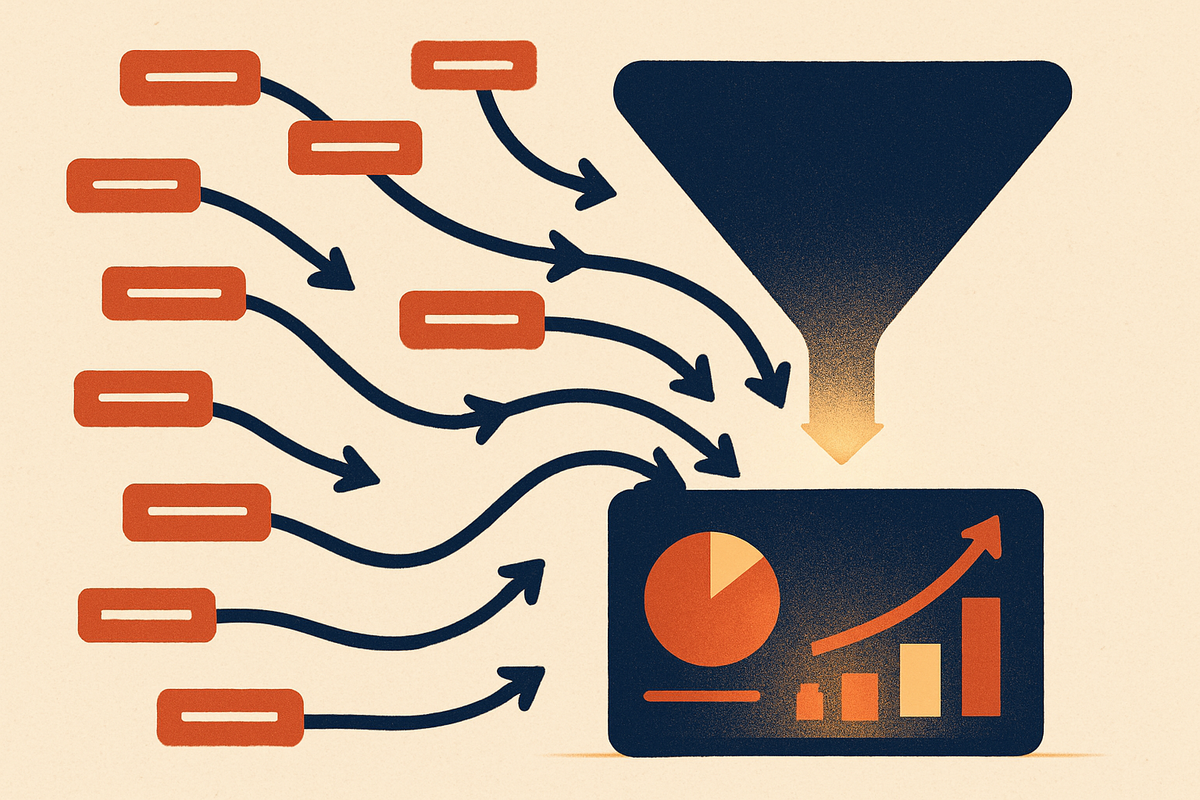
Semantic caching trades a small, real risk of serving the wrong answer for a large cost and latency win — worth it for FAQ, docs, and support Q&A, dangerous anywhere small wording changes should change the answer.
What LiteLLM is, who it's for, how to start (SDK in one line, self-hosted gateway in two), what it costs, and the honest catch — the open-source LLM gateway that lets you swap providers with a string change instead of a rewrite.
A hosted memory-plus-skills layer for MCP agents that promises audit receipts and right-to-forget; free to start, but you're renting your agents' memory.
What Wispr Flow is, who it's for, how to start in one download, what it costs (as of July 2026), and the honest catch — for founders who think faster than they type.
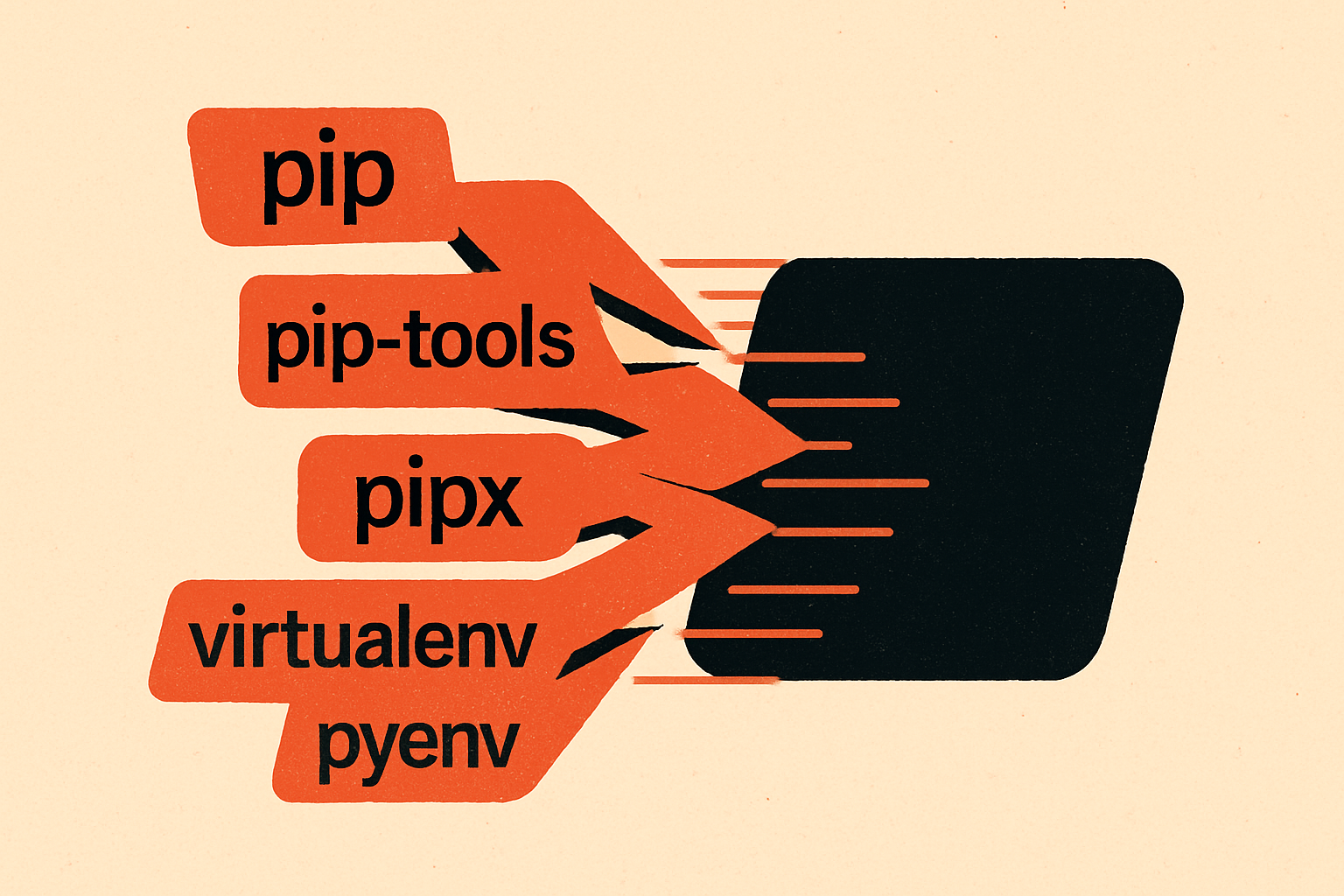
What uv is, who it's for, how to start in one command, and what it costs (nothing) — the Astral tool that folds pip, pip-tools, pipx, virtualenv, and pyenv into a single binary that resolves and installs 10–100× faster.
What Trigger.dev is, who it's for, how to start in minutes, what it costs (as of July 2026), and the honest catch — for founders whose agents and long jobs keep dying on serverless timeouts.
The developer-first email API for auth codes, receipts, and newsletters — send your first message with one curl call, then stop worrying about the SMTP plumbing.
Most early products end up wiring together an analytics tool, a session-replay tool, a feature-flag service, an A/B testing service, and — lately — something to watch their AI calls. PostHog is all of those in one open-source platform, free until you're big enough to notice.
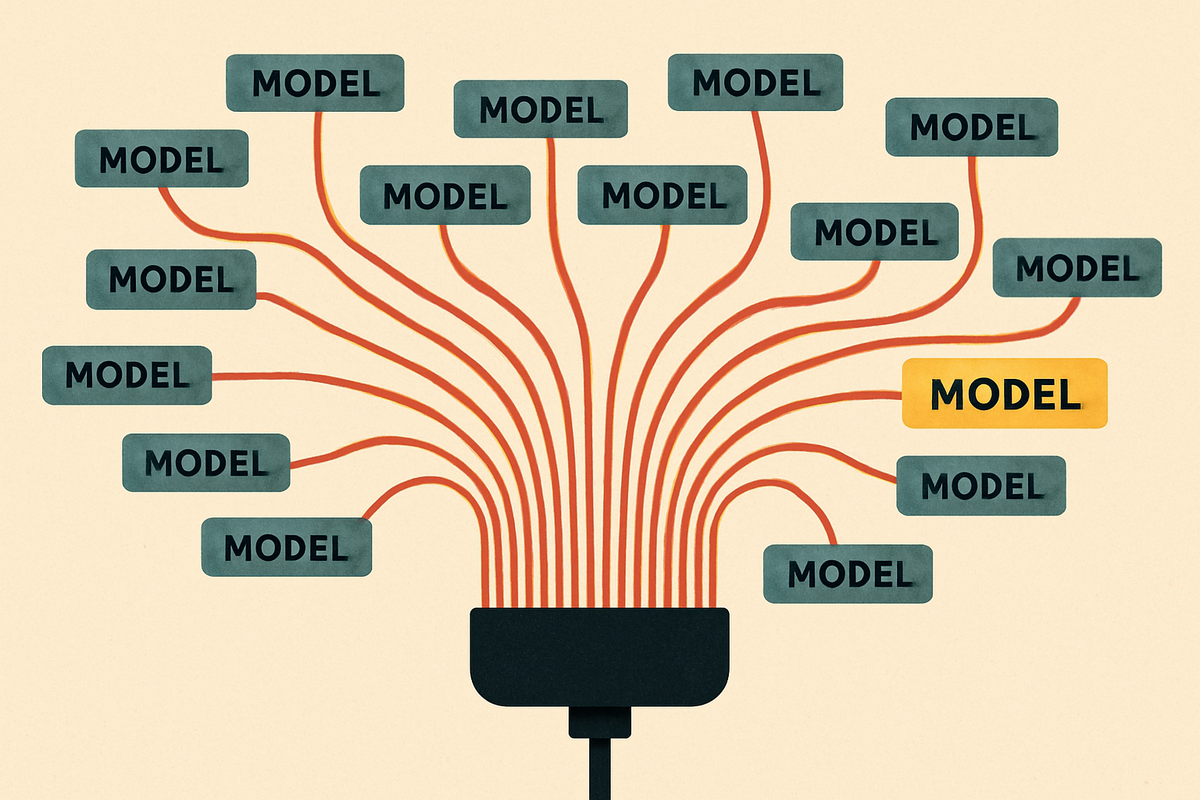
In a week when three vendors shipped new frontier models, the smartest move isn't picking one — it's staying swappable. OpenRouter puts 300+ models behind one OpenAI-compatible endpoint, so you change a model by editing a string.
What OpenCode is, who it's for, how to start in one command, what it costs (as of July 2026), and the honest catch — the terminal coding agent that refuses to lock you to a single model vendor, now at ~7.5M developers.
It started as 'run Llama on your Mac.' In 2026 it's how a small team runs open-weight models — Kimi, GLM, DeepSeek, Qwen — locally or hosted, behind the same API your code already speaks. Fresh off a $65M round.
What Langfuse is, who it's for, how to start in one docker command or one free signup, what it costs (as of July 2026), and the honest catch — the open-source observability-and-evals layer for founders shipping AI features.
What Kamal is, who it's for, how to start in minutes, what it costs (nothing, plus a server you rent), and the honest catch — the deploy tool from 37signals that put 'no PaaS required' within reach for solo founders.
Your agent generates Python; something has to run it without handing a stranger a shell on your server. E2B is an isolated cloud sandbox you spin up in one call, run untrusted code in, and throw away.
What Dub is, who it's for, how to start in minutes, what it costs (as of July 2026), and the honest catch — for founders who'd rather ship than build this themselves.
Drag a folder of static files into your browser and get a live URL on Cloudflare's edge in seconds — no login, no config, no CLI. It stays up for 60 minutes; claim it into an account to keep it. Here's what it is, who it's for, and the catch.
A framework-agnostic TypeScript library that puts login, 2FA, passkeys, and multi-tenant orgs in your codebase — with the user table in your own database. Working sign-in in about ten minutes, and no per-user bill ever.
Passkeys are phishing-resistant, patentless public-key credentials your users unlock with a fingerprint or Face ID. Here's the registration and login ceremony, the autofill trick that makes them feel magic, and the three settings people get wrong.
The cheapest LLM call is the one you never make. Three ways to skip it when a question is close enough to one you already answered — and the one knob that decides whether that's a feature or a bug.
They look like three flavors of the same thing. They're not — each is built around a different execution model, and that hidden choice is what makes streaming chat trivial in one and a fight in the others.
The India-based voice-AI shop just raised a $13M Series A and shipped Voice 4.0 with a parallel 'Hydra' architecture, plus Lightning V3 TTS: 15 languages, mid-sentence language switching, and production voice cloning from about five seconds of audio. Here's what it is, who's behind it, how to start, and what it costs.
Simon Willison's llm CLI just shipped its biggest release since launch: reasoning traces, server-side tools, a Git-style log store, and a cheap default model. For a solo founder, it's the fastest way to turn any LLM into a shell command you can pipe, log, and automate — no framework, no dashboard.
 🎧 Listen
The Stack
🎧 Listen
The Stack