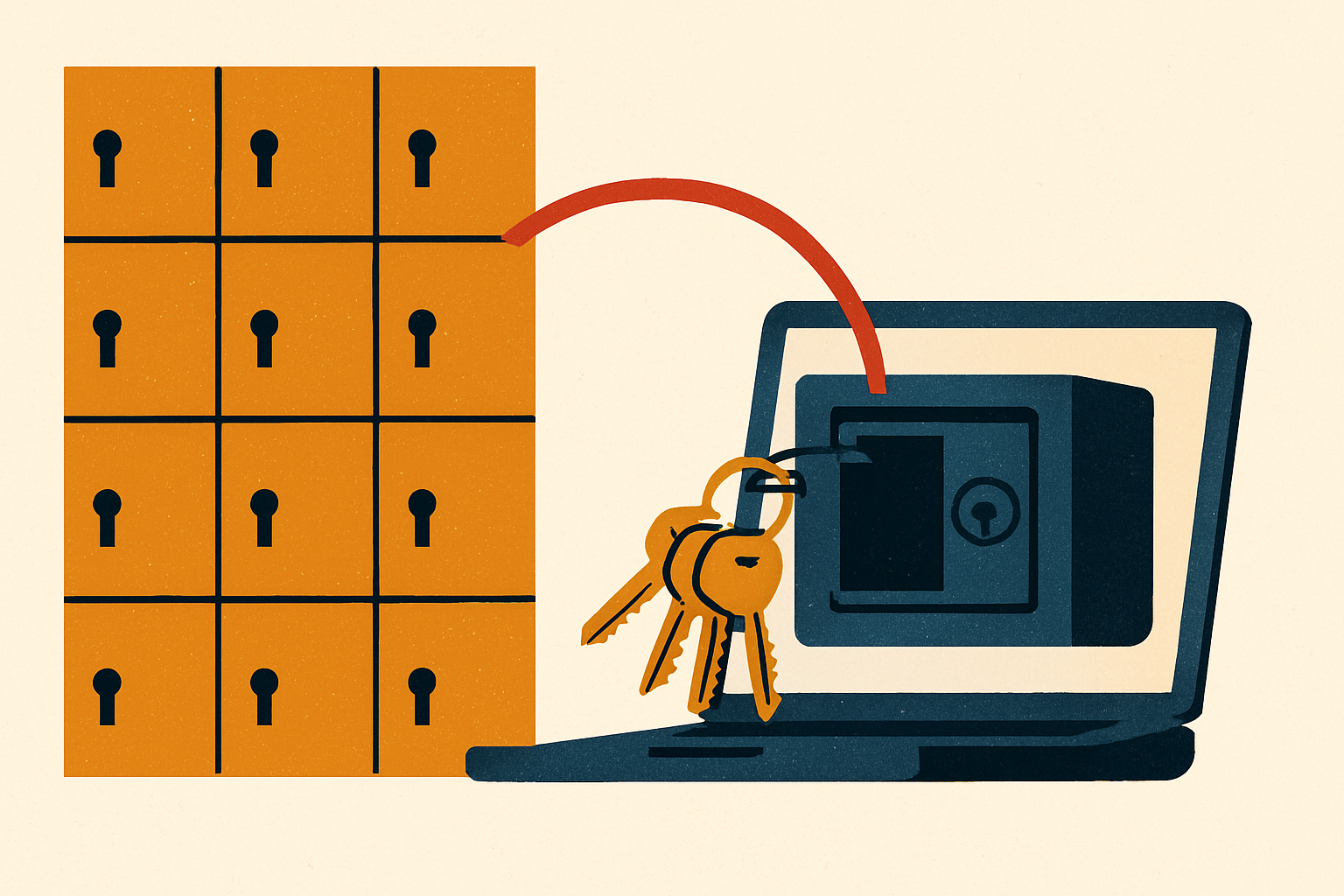
Three thresholds separate a production agent framework from a demo — durable state with human-in-the-loop, native MCP, and native A2A — and in mid-2026 only one of these three clears all three in-box.
Kimi K2.7 Code is the first open-weight model you can select in GitHub Copilot's picker — MIT-licensed, 1T-parameter, and roughly a third the output price of the closed flagships. Here's the decision: when the open model wins, and when you should still pay up.
The playground, the model catalog, the inference API, and bring-your-own-key are all gone on July 30 — with brownouts on the 16th and 23rd as a warning shot. No grandfathering, no paid escape hatch. Here's the decision, mapped to how you were actually using it.
Google shipped four changes to Gemini API Managed Agents on July 7 — background execution, remote MCP, custom function calling, and credential refresh. The quiet one is the load-bearing one.
A founder-focused roundup of what actually shipped this month — not the demos, the parts that change what you can afford to run. The through-line is one number moving in two directions at once: latency down, price-per-token down.
Every founder shipping an agent picks this before they pick a model. The deciding variable isn't how long the task takes — it's whether the user's next move depends on the answer. Get it wrong and you build the whole stack twice.
Z.ai's ZCode landed July 2 as a free desktop agent welded to an open-weight model. Set beside Cursor 3's agent console and Claude Code's terminal loop, it's not three products — it's three theories of what an agentic IDE even is. Here's the decision, by the axis that actually locks you in.
Three sub-frontier models launched inside 48 hours, all aimed at agentic and coding work, all undercutting the flagships. The one with the lowest sticker price is not automatically the cheapest to run — here's the decision, by the number that actually bills you.
SpaceX's $60B all-stock deal for Anysphere — the biggest acquisition of a venture-backed startup ever — turns the most popular AI coding tool into an xAI data-and-compute play. If Cursor sits in your stack, the model reading your code is about to have a new owner. Here's the founder's read: what's confirmed, what's at stake, and the audit to run this week.
The Meta Model API opened to developers on July 9 with Muse Spark 1.1: OpenAI-compatible, a self-managing 1M-token context, and prices that undercut the incumbents. Meta's own eval report is honest that it still trails on the hardest coding. Here's how a founder should actually route around that.
OpenAI's ChatGPT Work 'stays with a project for hours.' Claude Cowork runs with your laptop closed. Once agents work unattended for hours, your problem stops being output quality and becomes blast radius.
In ten days Google put image and video generation at rounding-error prices, and OpenAI demoed full-duplex voice. Two of those three are things you can put in a product this week. One isn't — and knowing which is the whole decision.
In one week, Codex, OpenHands, Claude Code, and Zed all shipped releases — and almost none of it was about writing better code. It was about approval modes, spend budgets, and where the agent is allowed to run unattended. Verified against each project's release notes.
TensorZero shut down, Helicone froze, Portkey got acquired, and LiteLLM shipped malware to PyPI. The gateway you pick in 2026 is a runtime and supply-chain decision — here's the one that changed the math, with the config to swap in.
Three moves in five days — a $65M raise, a family of open models with a 10x-cheaper agent story, and $40M for training environments — all point at the same shift: open weights are commodity, the edge is everything around them.
The July 1 release makes browser tools for coding agents generally available and on by default, then wraps the whole agent loop in terminal sandboxing and per-site permissions. Here's what each change does to a solo founder's workflow.
The developer-first email API for auth codes, receipts, and newsletters — send your first message with one curl call, then stop worrying about the SMTP plumbing.
Your agent generates Python; something has to run it without handing a stranger a shell on your server. E2B is an isolated cloud sandbox you spin up in one call, run untrusted code in, and throw away.
A framework-agnostic TypeScript library that puts login, 2FA, passkeys, and multi-tenant orgs in your codebase — with the user table in your own database. Working sign-in in about ten minutes, and no per-user bill ever.
GPT-5.6, Claude Sonnet 5, Gemini 3.5 Pro, and Grok 4.5 all landed inside eight days while H1 venture funding set an all-time high. What it means for anyone building on top.
npm turned install scripts off, Google Play opted your app in, MCP is going stateless, and Cursor split its usage pools — three of the four are default-on with a July deadline. Here's what flipped and what to do before it bites.
In one day, investors poured $130M into a startup that helps you train your own agents and $1B into a company built to run inference off Nvidia. Read together, the week's biggest rounds are a bet that everyone wants to route around the frontier labs — and that's good news for the people building on top.
Mid-July's tech news, read for founders: Microsoft is routing Excel and Outlook around its own AI suppliers, US enterprises are running nearly half their tokens on cheap Chinese models, and Nvidia gave back $1T — while Blue Origin raises $10B and Meta ships gen-AI to billions of phones. The pattern, and what to do about it.
Early-July's builder news, read for founders: Cloudflare and Vercel collapsed the distance from code to live product again, while $170M in fresh funding flowed into the plumbing around agents — training environments, evals, and per-request cost control — not the models themselves. The pattern, and what to do with it this week.
In one week the counter-move to walled, expensive inference got concrete — a free server that runs open models on any major chip, and a model-agnostic coding agent crossing 7.5M developers. Here's the founder's read on portability as a hedge.
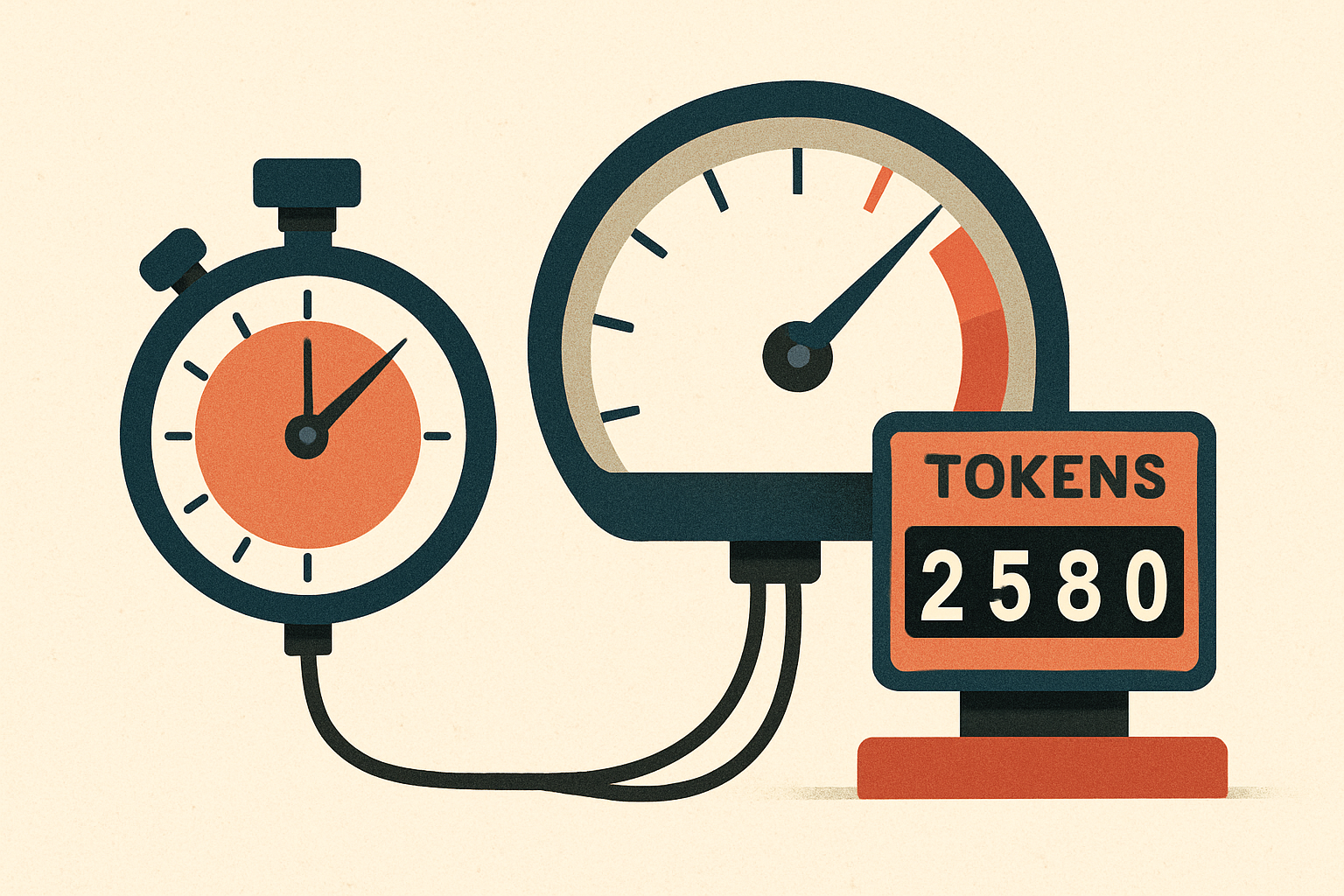
A rate card can't tell you cost-per-task — token counts and latency can, and this week's launches proved why. Forty lines of Python to measure the numbers that decide your bill.
OpenAI's new three-tier GPT-5.6 lineup makes tier routing a live founder decision. Here's the pattern that runs the cheap model first and pays for the expensive one only when it's actually needed.
H1 2026 closed at a record $510B in venture funding; this week Together AI raised $800M, Figma bought a vibe-coding team, Bending Spoons IPO'd up 40%, and a hacker claimed 35GB of Accenture source code. Read for founders.
Three fresh 'good enough' models now fight for the workload that eats most founders' API budgets. Here's how to choose on cost math, context, and latency — not the leaderboard.
This week: OpenAI shipped GPT-5.6 (Sol, Terra, Luna) and GPT-Live to everyone, frontier prices kept falling, and Microsoft and AWS put $3.5B into forcing AI pilots to actually work. Read for founders.

 🎧 Listen
The Wire
🎧 Listen
The Wire