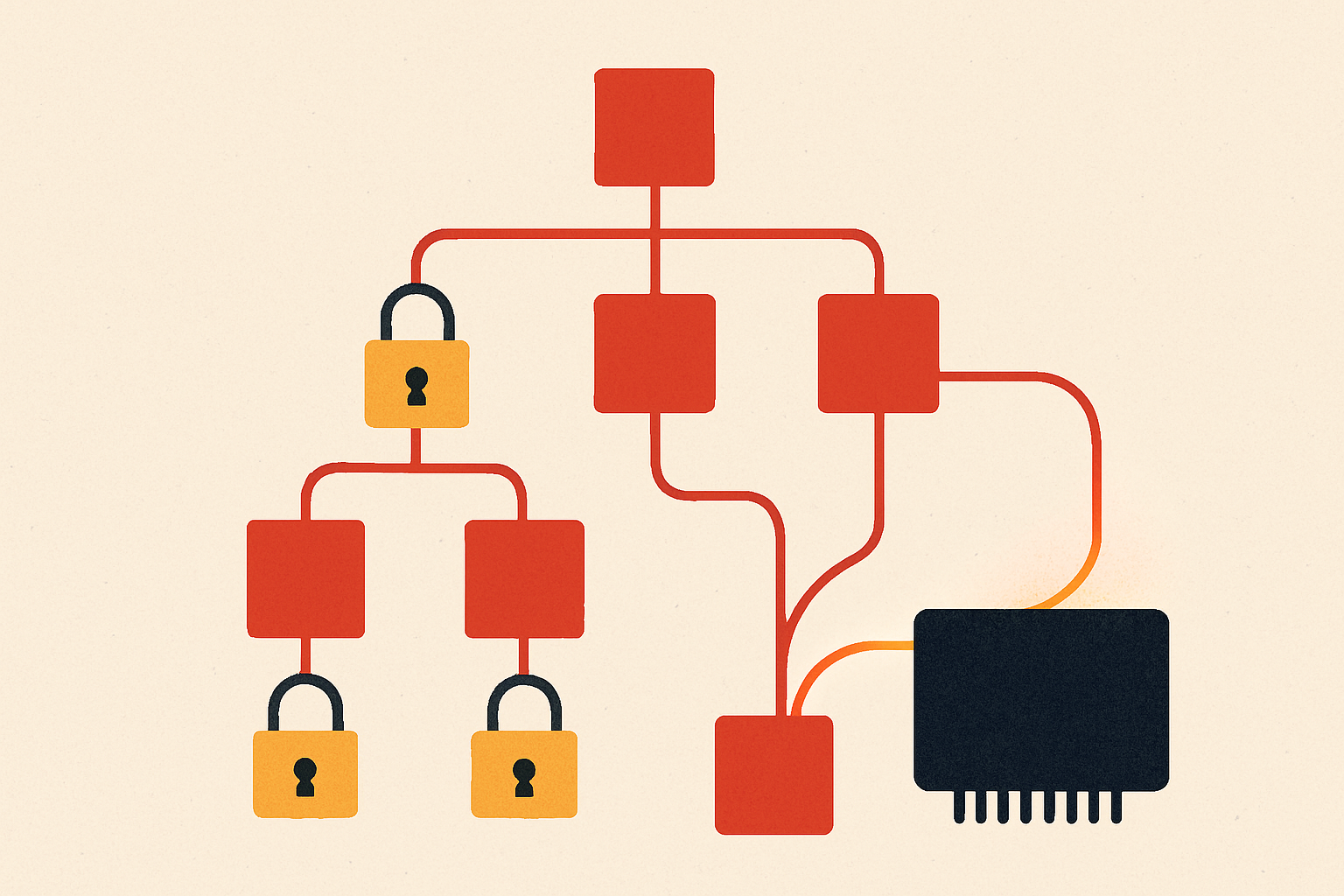
Your agent decides to send an invoice, then persists 'invoice sent.' Two writes, two systems, no atomicity — and the crash always lands in the gap between them. The 20-year-old fix is the transactional outbox.
Microsoft's native compiler is finally stable and it is roughly ten times faster. The catch founders keep missing: there is no stable programmatic API yet, so Vue, Svelte, Angular, and typescript-eslint can't use it on day one.
The July 1 release makes browser tools for coding agents generally available and on by default, then wraps the whole agent loop in terminal sandboxing and per-site permissions. Here's what each change does to a solo founder's workflow.
What Wispr Flow is, who it's for, how to start in one download, what it costs (as of July 2026), and the honest catch — for founders who think faster than they type.
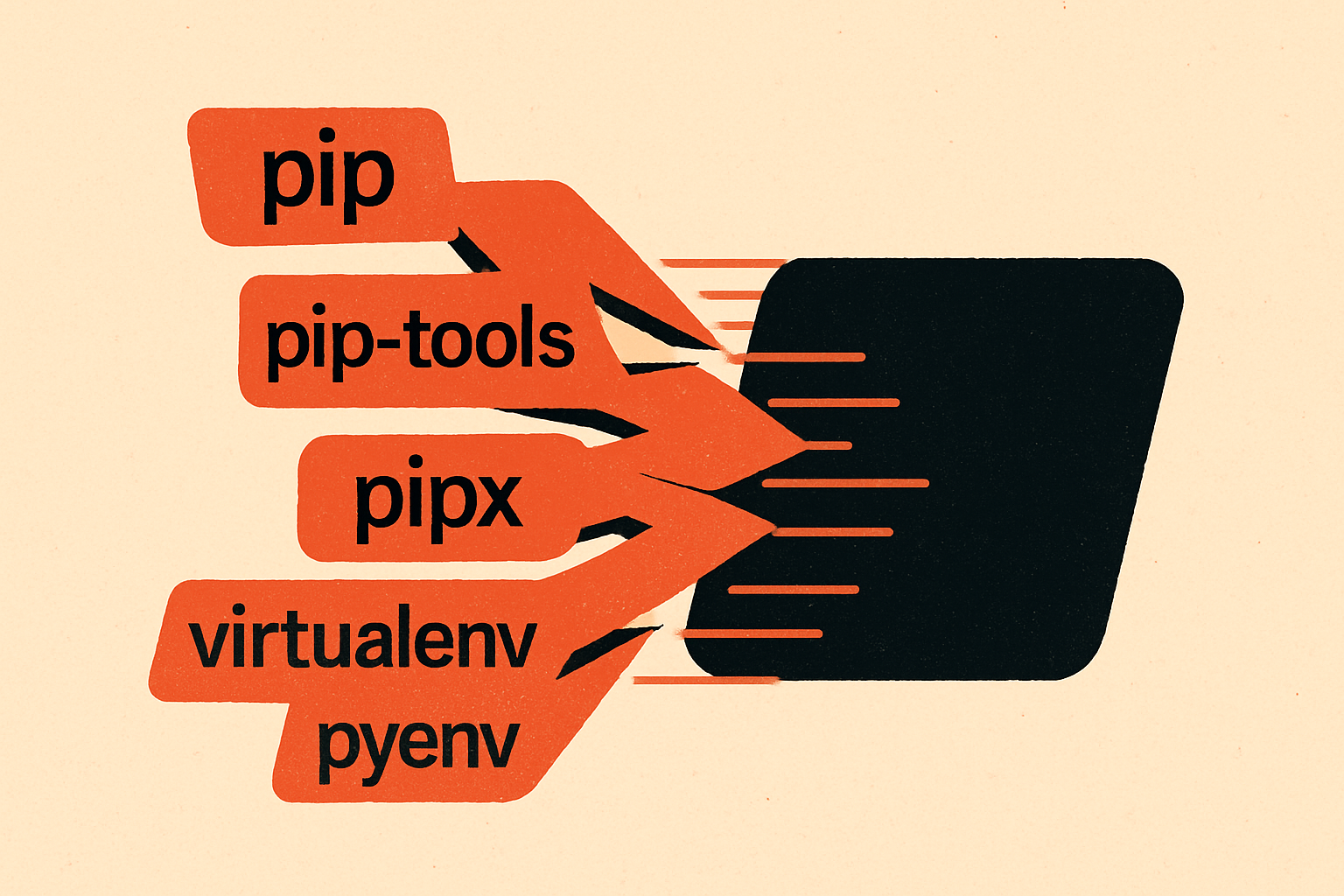
What uv is, who it's for, how to start in one command, and what it costs (nothing) — the Astral tool that folds pip, pip-tools, pipx, virtualenv, and pyenv into a single binary that resolves and installs 10–100× faster.
What Trigger.dev is, who it's for, how to start in minutes, what it costs (as of July 2026), and the honest catch — for founders whose agents and long jobs keep dying on serverless timeouts.
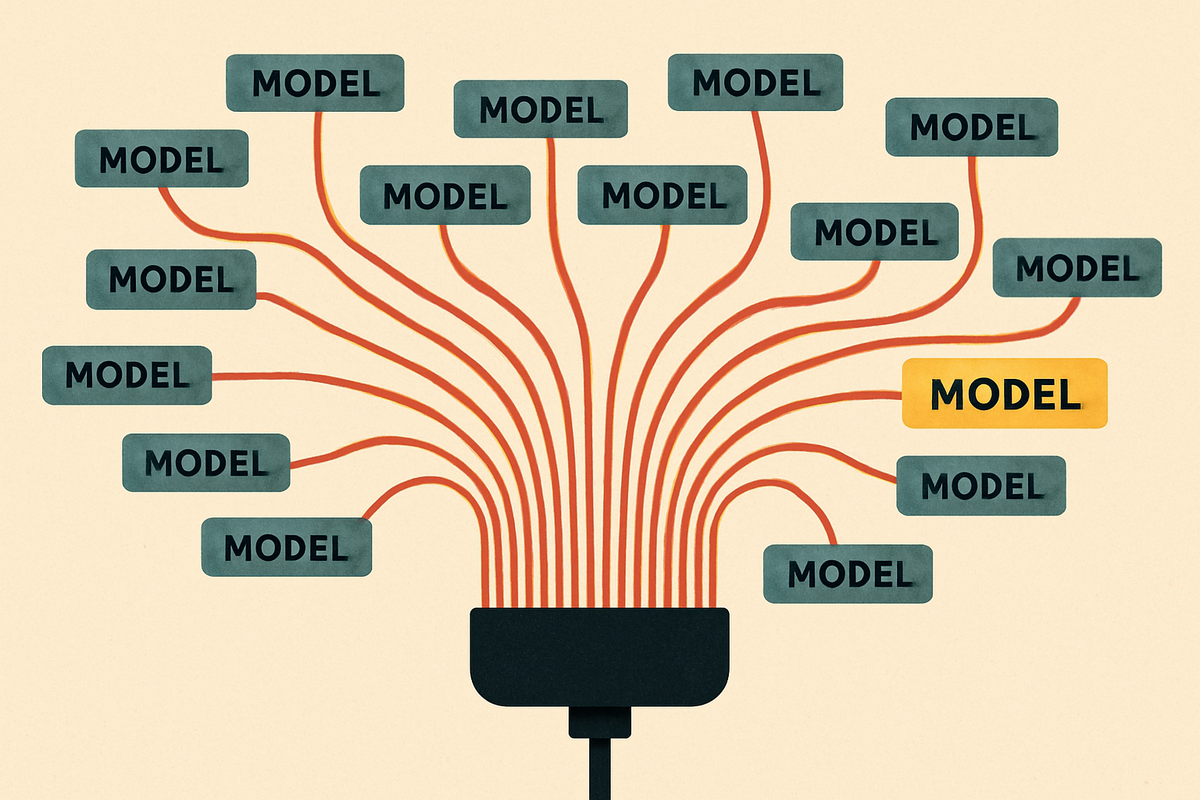
In a week when three vendors shipped new frontier models, the smartest move isn't picking one — it's staying swappable. OpenRouter puts 300+ models behind one OpenAI-compatible endpoint, so you change a model by editing a string.
What OpenCode is, who it's for, how to start in one command, what it costs (as of July 2026), and the honest catch — the terminal coding agent that refuses to lock you to a single model vendor, now at ~7.5M developers.
What Langfuse is, who it's for, how to start in one docker command or one free signup, what it costs (as of July 2026), and the honest catch — the open-source observability-and-evals layer for founders shipping AI features.
What Dub is, who it's for, how to start in minutes, what it costs (as of July 2026), and the honest catch — for founders who'd rather ship than build this themselves.
This week's founder news, read for the pattern: the fastest AI companies aren't just growing, they're accelerating — reaching each new $100M sooner than the last. Mercor, Sierra, Glean, and Lovable put hard numbers on it, and one startup even had an AI run its own funding round.
GPT-5.6, Claude Sonnet 5, Gemini 3.5 Pro, and Grok 4.5 all landed inside eight days while H1 venture funding set an all-time high. What it means for anyone building on top.
npm turned install scripts off, Google Play opted your app in, MCP is going stateless, and Cursor split its usage pools — three of the four are default-on with a July deadline. Here's what flipped and what to do before it bites.
In one day, investors poured $130M into a startup that helps you train your own agents and $1B into a company built to run inference off Nvidia. Read together, the week's biggest rounds are a bet that everyone wants to route around the frontier labs — and that's good news for the people building on top.
curl locked its bug-report inbox for a month. A veteran went back to Rails and called it a relief. Developer trust in AI output fell for the first time. Read together, they're one story — and it changes what a founder should build on.
Mid-July's tech news, read for founders: Microsoft is routing Excel and Outlook around its own AI suppliers, US enterprises are running nearly half their tokens on cheap Chinese models, and Nvidia gave back $1T — while Blue Origin raises $10B and Meta ships gen-AI to billions of phones. The pattern, and what to do about it.
Early-July's builder news, read for founders: Cloudflare and Vercel collapsed the distance from code to live product again, while $170M in fresh funding flowed into the plumbing around agents — training environments, evals, and per-request cost control — not the models themselves. The pattern, and what to do with it this week.
Metered billing on Stripe was quietly rebuilt: the usage-records API is removed, and meters are the only supported path. Here's the working end-to-end flow — meter, price, subscription, usage events, invoice — with real code.
A founder-grade walkthrough: enable pgvector on the Postgres you already run, embed your rows, add an HNSW index, and ship semantic search this afternoon — with the copy-paste SQL and code.
In one week the counter-move to walled, expensive inference got concrete — a free server that runs open models on any major chip, and a model-agnostic coding agent crossing 7.5M developers. Here's the founder's read on portability as a hedge.
A founder-practical build guide: generate hundreds of unique, indexable pages from one Next.js template with generateStaticParams, per-page metadata, and ISR — and the one rule (data density per page) that decides whether Google indexes them or deletes them.
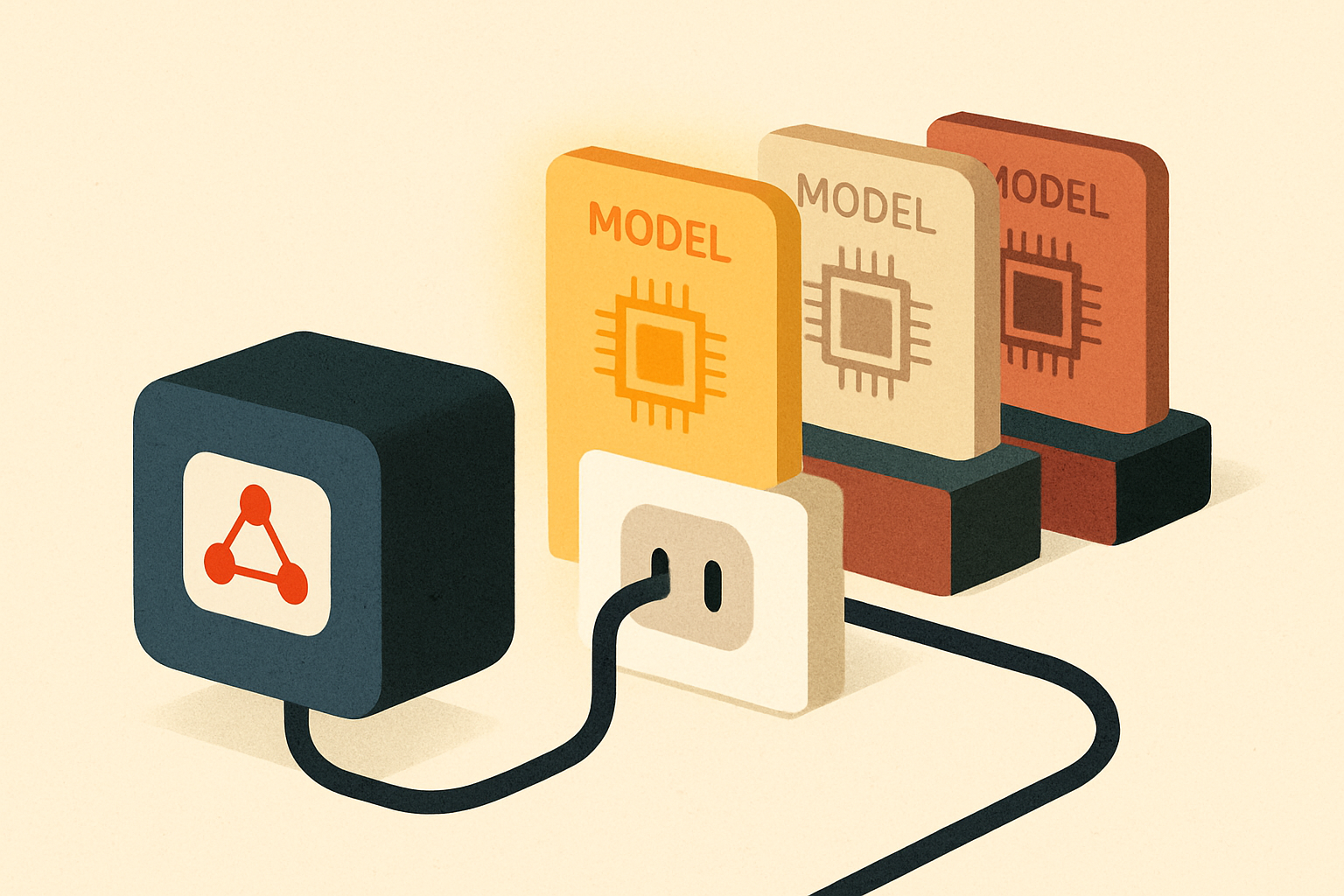
One thin interface between your app and any model provider turns the next price hike, outage, or migration into a one-line config change instead of a rewrite. Here's the whole pattern, in copy-paste TypeScript.
npm v12 stops running dependency install scripts by default — which will red-line your CI the day you upgrade. Here's the copy-paste path from broken install to a committed, code-reviewed allowlist, plus the CI fix.
Kimi K2.7 Code landed in Copilot's model picker on July 1. Every other model there is a black box you rent. This is the first one whose weights are on Hugging Face — the first row with a way out.
Jujutsu (jj) keeps Git's storage and pushes to GitHub like nothing changed — but throws out the parts that make Git hard: the staging area, detached HEAD, and merge conflicts that block you. Here's what actually changes when you switch.
Now that AI images cost cents per thousand, the constraint isn't the model — it's the plumbing. Here's a copy-paste pipeline that caches by prompt hash, falls back across providers, and caps your spend before the invoice does.
You wouldn't ship a payments flow with zero tests. Most teams ship LLM features with exactly that. Here's the smallest real eval harness — deterministic assertions plus an LLM-as-judge — with copy-paste promptfoo and Python.
Everyone says 'route the cheap work to a cheaper model.' Here's the concrete way to prove a cheaper model clears your quality bar — on your own production traffic, with zero user-facing risk — before you move a single request.
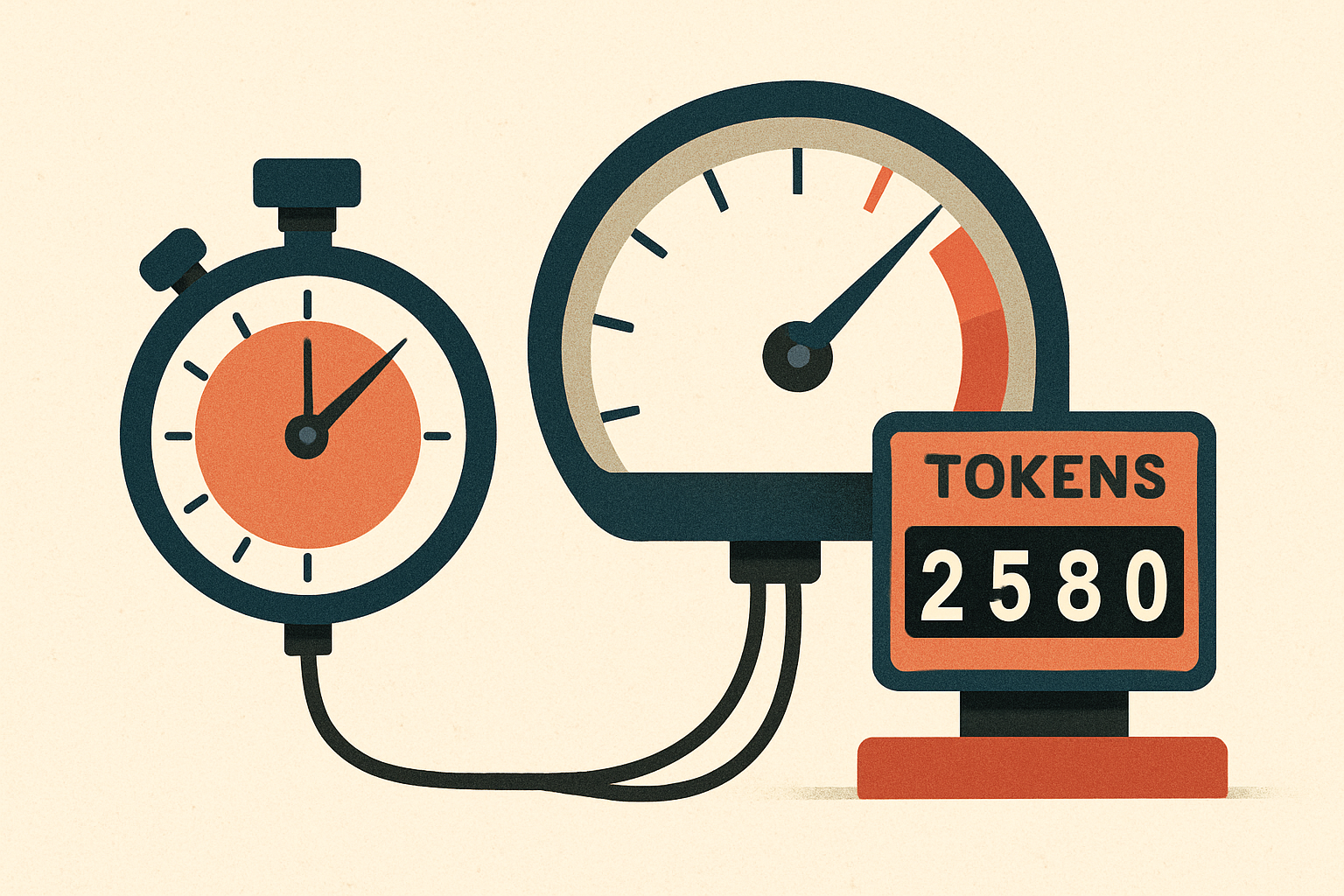
A rate card can't tell you cost-per-task — token counts and latency can, and this week's launches proved why. Forty lines of Python to measure the numbers that decide your bill.
The reflex is to swap in a cheaper model and hope users don't notice. Skip that. The biggest savings never touch the model your customers see — they're in how you send the calls, not which model you send them to. Five moves, ordered by return, none of which lowers quality.
 🎧 Listen
The Wire
🎧 Listen
The Wire