As of August 7, a Managed Agents session that mounts a GitHub repository auto-discovers any skills in its root .claude/skills directory — no upload, no skills array, no re-deploy to ship a change. Here's the exact layout it scans, the one-mount-per-session catch, and why the repo is now part of your agent's trust boundary.
Everyone's talking about Claude skills and nobody's showing the commands. Here they are — add a marketplace, install a plugin, and the two repos worth starting with.
NVIDIA's open-source NOOA framework collapses an agent into one plain Python class: methods are its actions, fields are its state, docstrings are the prompt, and type hints are the contract. Here's the full build — install, generation vs deterministic methods, typed state, running it, and the SQLite memory that lets it drop context compaction — with copy-paste code.
Three ways to extend Claude Code, and founders keep picking the wrong one — building an MCP server when a skill would do, or writing a skill for something that needs live data. The rule of thumb is one sentence, and the 2026 answer is usually 'all three, layered.'
Claude Code v2.1.224 added cross-session SendMessage — one running session can now message another, on any of your machines, and discover peers with ListAgents. Here's how it works, the two settings that gate delivery, and when to reach for it instead of a subagent.
A former Nvidia researcher trained a TTS model on a single GPU, open-sourced it to 31k GitHub stars, and built it into an 8-million-user, $21M-ARR business. The open weights are free to self-host; the newest model is API-only. Here's what it is, how to start, and the open-core lesson for founders.
Anthropic shipped 'Record a Skill' in Claude Cowork on July 21: screen-record yourself doing a task, talk through it, and Claude turns it into a skill it can run again. No prompt, no SKILL.md, no API wiring — the input to automation just became a demonstration.
An AI agent that dies mid-tool-call and forgets everything isn't a product — it's a demo. Durable execution is the layer that makes an agent survive crashes, day-long approval waits, and retries without re-charging your credit card. Here's which of the three engines fits which team.
LanceDB and Chroma give you retrieval. mem0 and Zep give you memory. Teams reach for a memory layer when a vector database would have done — and reach for a raw vector database when they're about to rebuild mem0 by hand. Here's the line between them.
A notebook stored as plain .py with spreadsheet-style reactivity kills Jupyter's two worst failure modes: unreviewable JSON diffs and out-of-order hidden-state bugs.
Send most of your traffic to a cheap model and only pay frontier prices when something actually breaks. Here's the retry, timeout, and validation-gate code that makes that safe.
If you're a solo founder, becoming a global tax entity is the last thing you want to spend a week on. Polar is a developer-first Merchant of Record that handles checkout, worldwide VAT/sales tax, and usage-based AI billing for you — including per-token and per-agent-run metering. What it is, who's behind it, how to start, and what it costs.
If you're building anything that reads the web — a RAG app, a research agent, a competitor tracker — Firecrawl is the tool that turns messy HTML into model-ready markdown. What it is, who it's for, how to start, and what it costs.
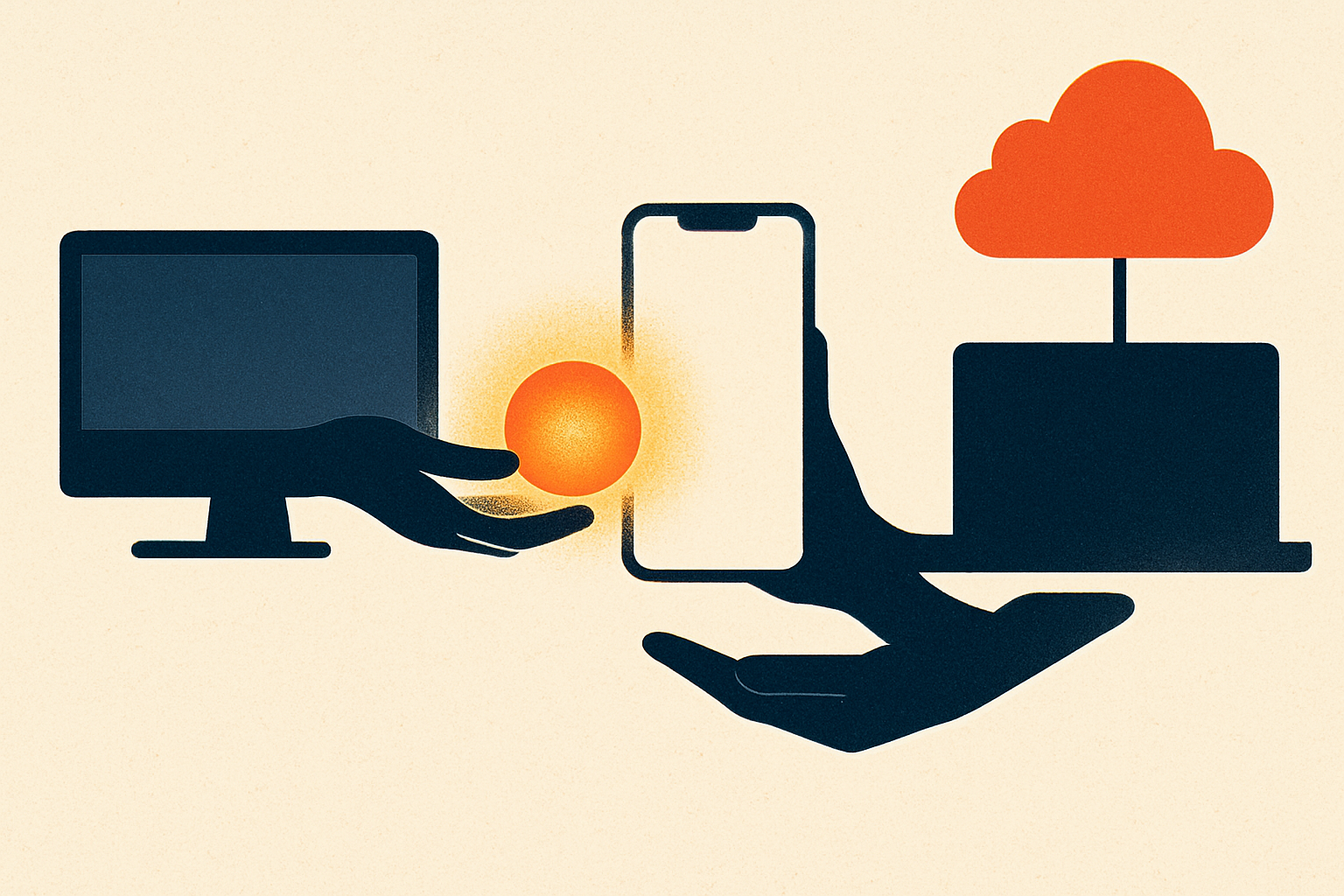
Anthropic put its non-coding office agent on web and mobile. For a founder who IS the ops team, the pitch is simple — hand off async work, get pinged only when a decision needs you.
Nine repositories tackling the hardest unsolved problem in agent design — remembering, retrieving, and forgetting across the lifetime of a conversation.
A field guide to the Model Context Protocol repositories that actually matter — the SDKs, the reference servers, and the connectors that earn a place in your config.
The dozen codebases that quietly define what it means to be an agent in 2026 — frameworks, orchestration layers, and the tools that turn intent into action.

 🎧 Listen
The Stack
🎧 Listen
The Stack